Selecting the Best Dumpster Size for Your Project
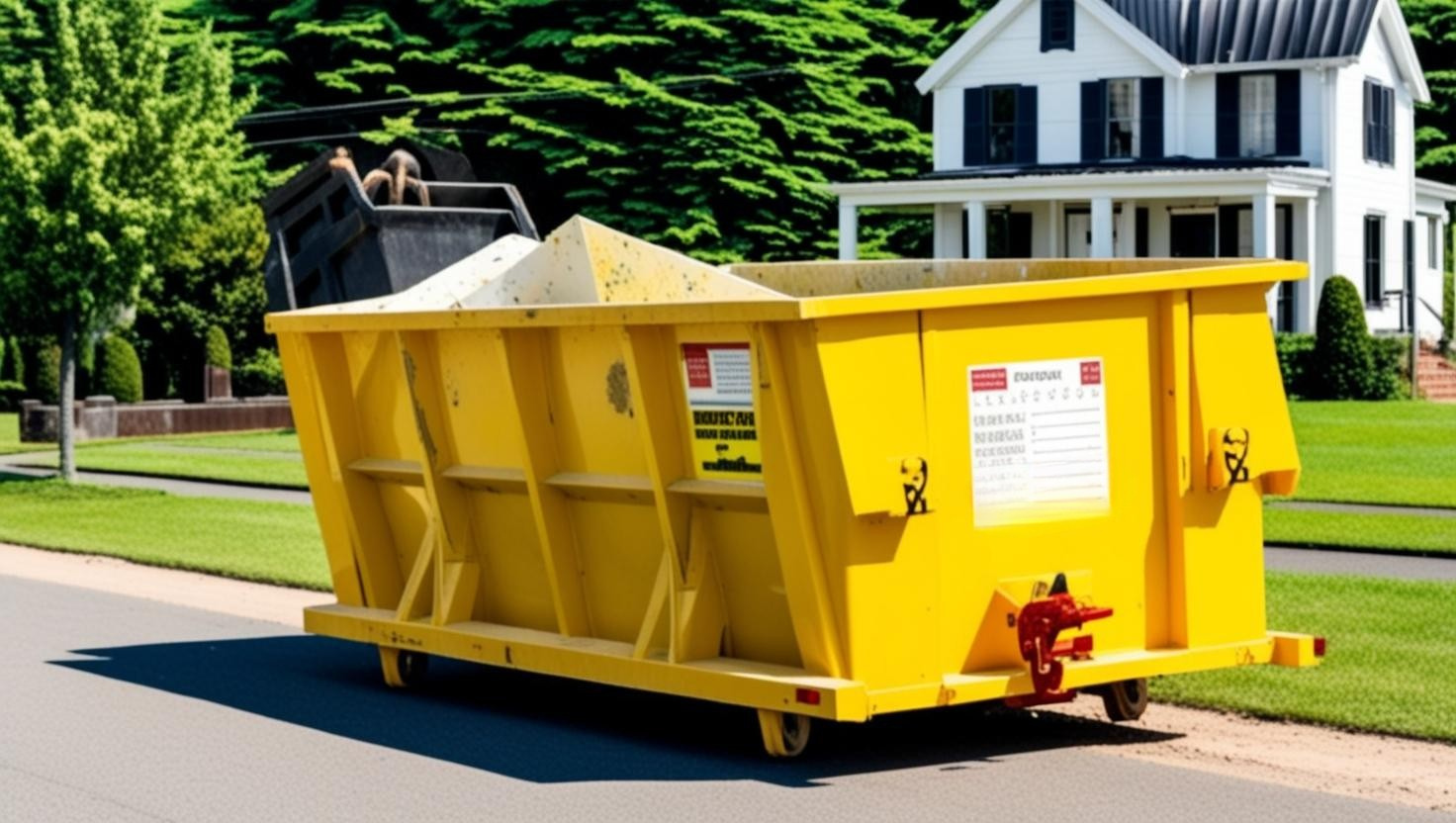
As you organize a cleanup, upgrade, or site project, it is easy to overlook the importance of selecting the right dumpster size. Often the work takes priority while waste management is forgotten, creating risks and inefficiencies. Picking a container that is too small leads to overflow, but one that is too big wastes available area. Effective waste control begins with selecting the right container, making sure debris is managed cleanly and efficiently.
At Junk Bee Gone, we understand how vital this decision is for the success of your project. The dumpster is not only a container but also a key tool in maintaining cleanliness, order, and safety on the site. Understanding how to measure waste requirements helps you prevent setbacks and maintain workflow. Choosing correctly minimizes clutter and enhances safety for all participants. A thoughtful approach makes dumpster selection a smart decision instead of a gamble.
Evaluating the Scope of Your Project
To begin selecting a dumpster, it is important to evaluate the full scope of the job. Projects can vary widely, from small cleanouts to large-scale construction efforts. The volume of debris depends not only on the type of work being done but also on the materials involved. For example, furniture, household items, roofing, or yard waste each produces different amounts of debris. By considering the full range of waste that will be generated, you can better predict the size of the container that will serve your needs.
Also consider the timeline of your job, as longer projects usually create more waste. When a job includes phases like demolition then building, waste amounts shift as time goes on. These considerations ensure the dumpster will handle the total load smoothly. Doing so avoids interruptions and reduces the need for extra hauls, ensuring steady progress. Ultimately, reviewing scope and duration ensures better alignment between waste demands and the dumpster you select.
Types of Waste and Their Impact on Dumpster Choice
Not all waste read more is created equal, and understanding the type of materials you will dispose of plays a large role in choosing the right dumpster. Heavier materials such as concrete, bricks, or soil may require different handling than lighter items like cardboard, wood, or furniture. The volume of bulky debris differs even when the weight appears manageable. Misjudging this can lead to overloading or inefficient use of container space. Accurately assessing materials prevents misuse of container space.
By identifying the main categories of waste before your project begins, you can match the dumpster to your requirements more accurately. Think about whether the majority of waste will be construction debris, yard trimmings, or home junk. Different debris types carry unique traits that impact the choice of dumpster. Knowledge of material types promotes smarter planning and efficient use of dumpster space. Preparedness helps align dumpster capacity with the materials disposed.
Factoring Location and Position
Another major consideration is where the dumpster will be situated. The container’s location must allow easy service access and convenience for workers. Oversized containers on smaller sites often create practical problems. On the other hand, having a dumpster that is too small may require additional moves or adjustments that can slow down your progress. Matching available area with dumpster size ensures smoother and safer waste management.
Consider the layout of driveways, open zones, or alleys when choosing placement. Checking dimensions beforehand ensures hassle-free placement. Accessibility plays a big role, and dumpsters should never obstruct paths or create dangers. Smart placement means the container remains practical and efficient to use from start to finish. Planning container space wisely allows for efficient and safe project operations.
Calculating Waste Volume Correctly
Accurately estimating the amount of waste your project will generate is one of the most important steps in selecting a dumpster. It is common for people to misjudge debris buildup, often leading to overflow and added hassle. An organized process that starts with taking inventory of what will be discarded offers the best accuracy. By splitting your project into steps and measuring waste from each, you get a more reliable estimate. Proper planning allows you to select a container capable of managing the entire project’s demands.
Imagining debris in terms of truckloads is another way to match it to container requirements. While it is easy to think that waste will take up less space, bulkier items like furniture or large boxes can consume capacity faster than expected. It is wiser to overestimate a bit, ensuring room for unplanned debris. By thoroughly reviewing your needs, you will choose a dumpster that works smoothly without setbacks. Planning ahead prevents interruptions and keeps your project on course.
Advantages of Selecting the Correct Dumpster
Selecting the correct dumpster size provides several advantages beyond simple waste collection. An accurately chosen container cuts down on clutter, improving efficiency and safety. Workers spend less time moving debris around and more time focusing on their tasks. This organization contributes to a more professional workflow, where tools and workspaces remain clear of unnecessary obstructions. Ultimately, efficiency improves and hazards decrease when the right container is selected.
A further advantage is avoiding repeated trips or additional pickups. When the dumpster is large enough for all debris, the work continues without interruptions. It also supports better cost-effectiveness, since multiple hauls can be avoided. Most importantly, having the right dumpster size prevents frustration and allows your project to move forward without interruptions caused by waste management issues. The right choice creates steady momentum and efficiency.
Working With Professionals for Guidance
For uncertain situations, seeking professional help guarantees better results. They can assess your project needs and provide recommendations based on years of handling different types of waste. A trusted provider knows how to match container capacity with project demands, saving you from costly mistakes. This guidance is especially important for people renting a dumpster for the first time or managing uncommon waste. Professional input streamlines the decision-making process and removes uncertainty.
Junk Bee Gone has guided many clients in choosing the right container for their requirements. We review your project information closely, considering both materials and expected waste volume. We then suggest an option that balances convenience and practicality, helping you focus on your project instead of worrying about waste. This partnership provides peace of mind, knowing that your dumpster choice is backed by professional knowledge and experience. When you work with experts, managing debris becomes much easier and dependable.
Making an Informed Dumpster Choice
Choosing the right dumpster size is an essential part of successful waste management for any project. By considering the scope of your work, the type of debris, available space, and the estimated volume, you can make a more informed decision. These steps help ensure efficiency, safety, and organization from beginning to end. Careful planning prevents problems, ensuring the project flows without delays. The right choice fosters steady project progress and reliability.
At Junk Bee Gone, we are dedicated to helping clients make smart decisions about their waste disposal needs. With our knowledge, we can point you to a container that aligns with your job’s requirements. No matter if the project involves renovations, cleanouts, or construction debris, we guarantee smooth and dependable disposal. With the right dumpster in place, you can focus on what truly matters: completing your project successfully. We aim to deliver reliable service that makes waste handling easier and more effective.